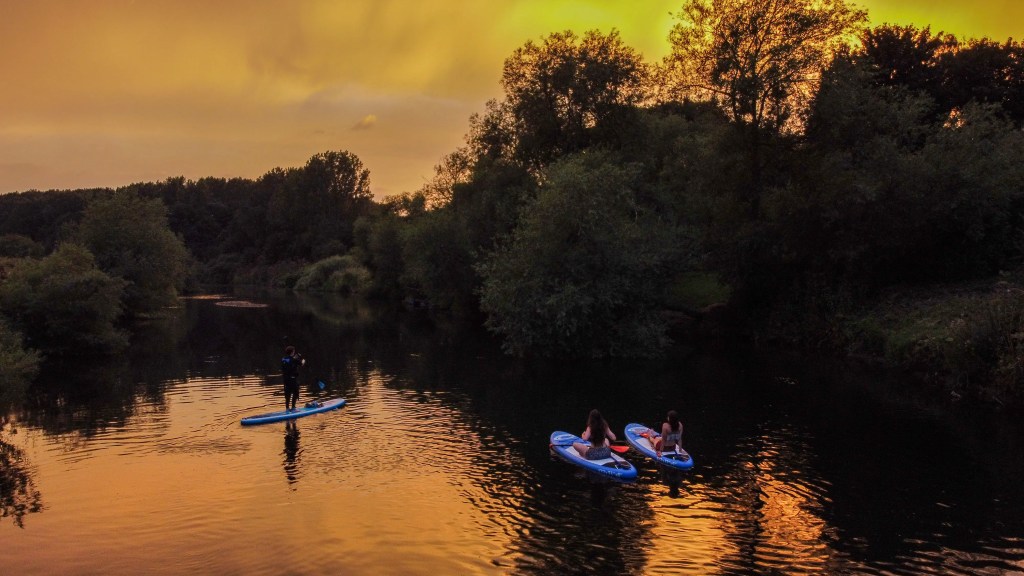
Over time, my style has evolved, and I’ve learned a vital lesson: the best camera is the one you have with you. Sometimes, stepping away from a traditional camera and using “non-traditional” gear is the only way to get the shot.
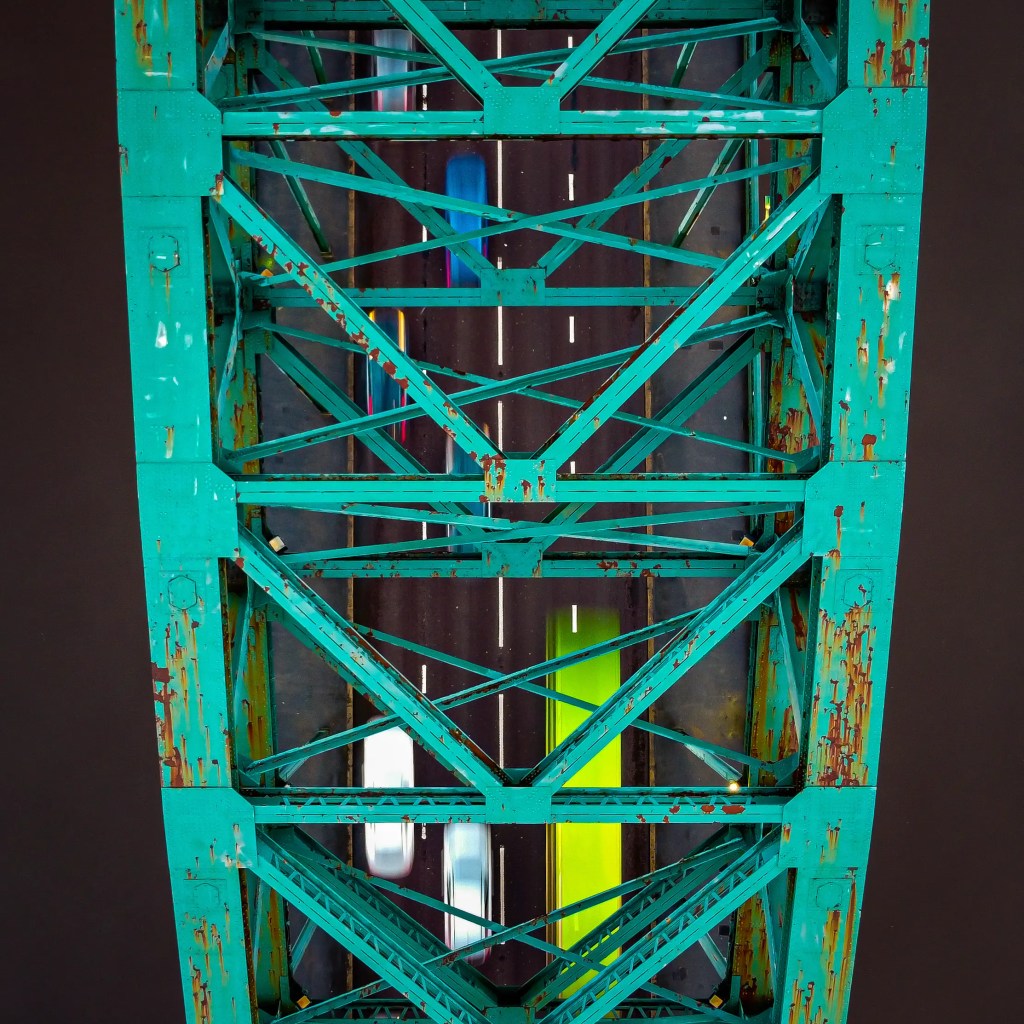
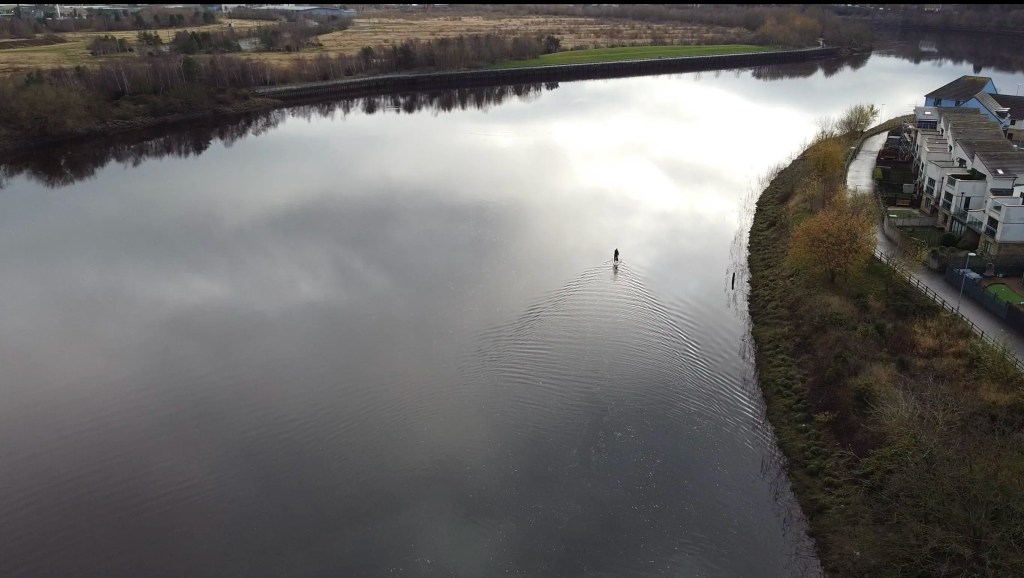
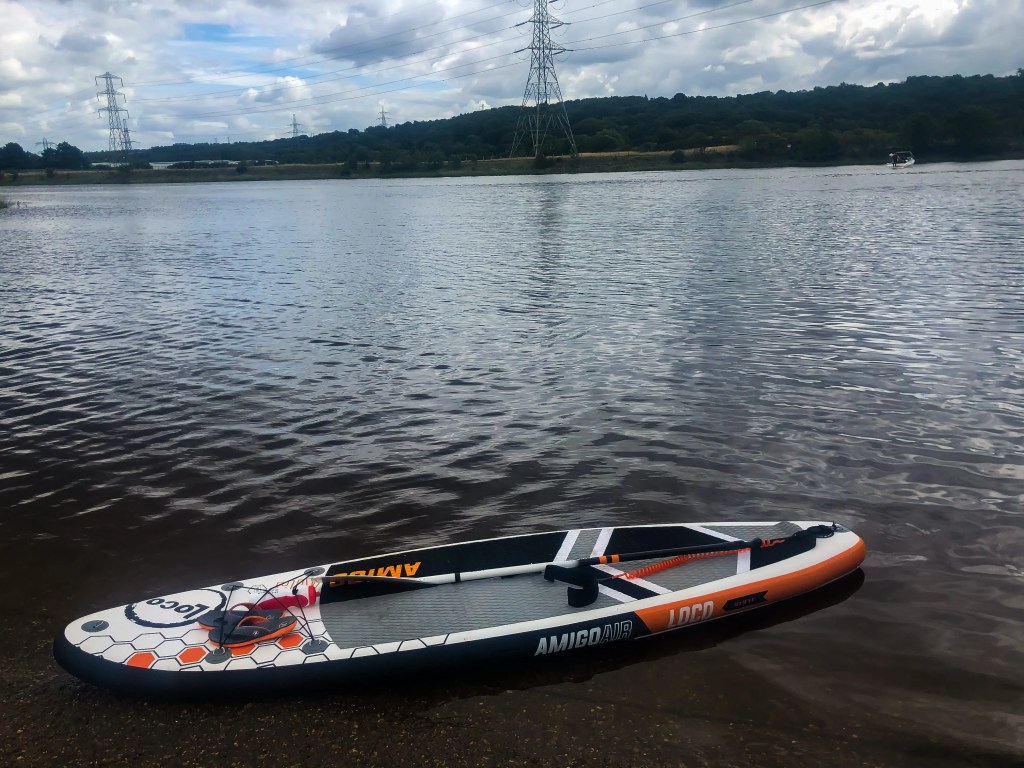
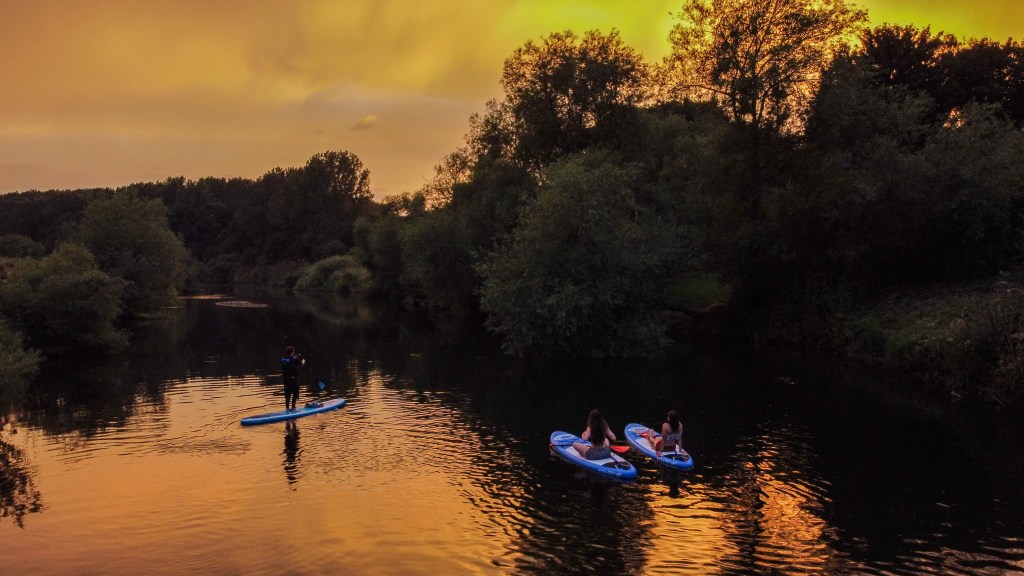
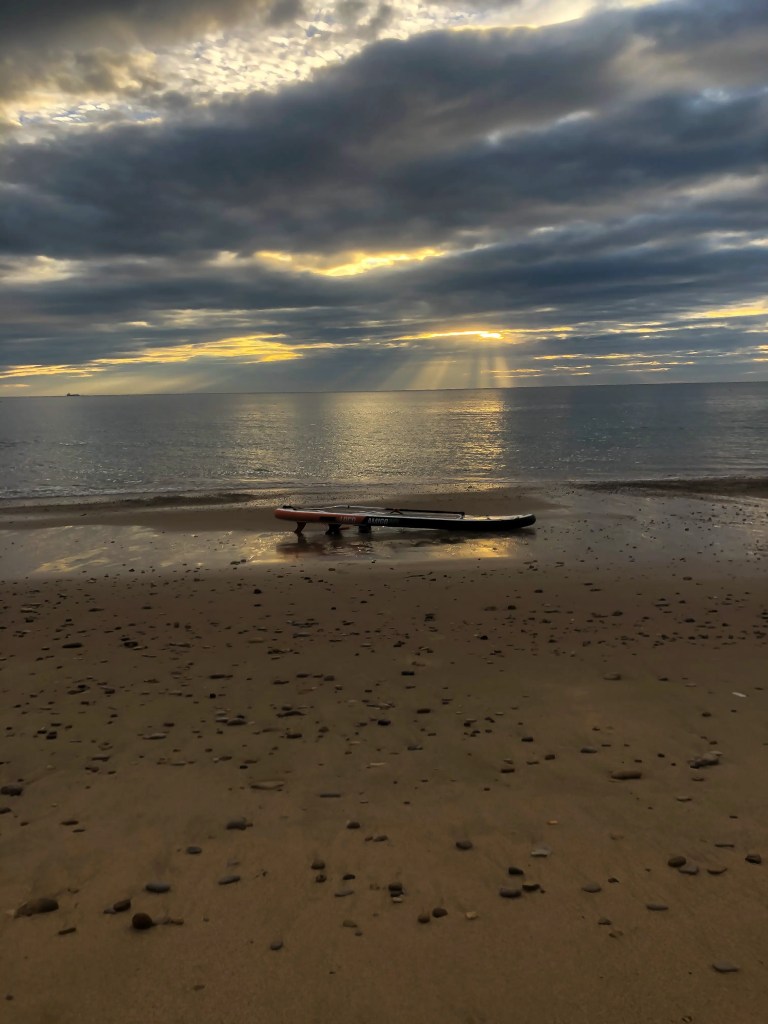
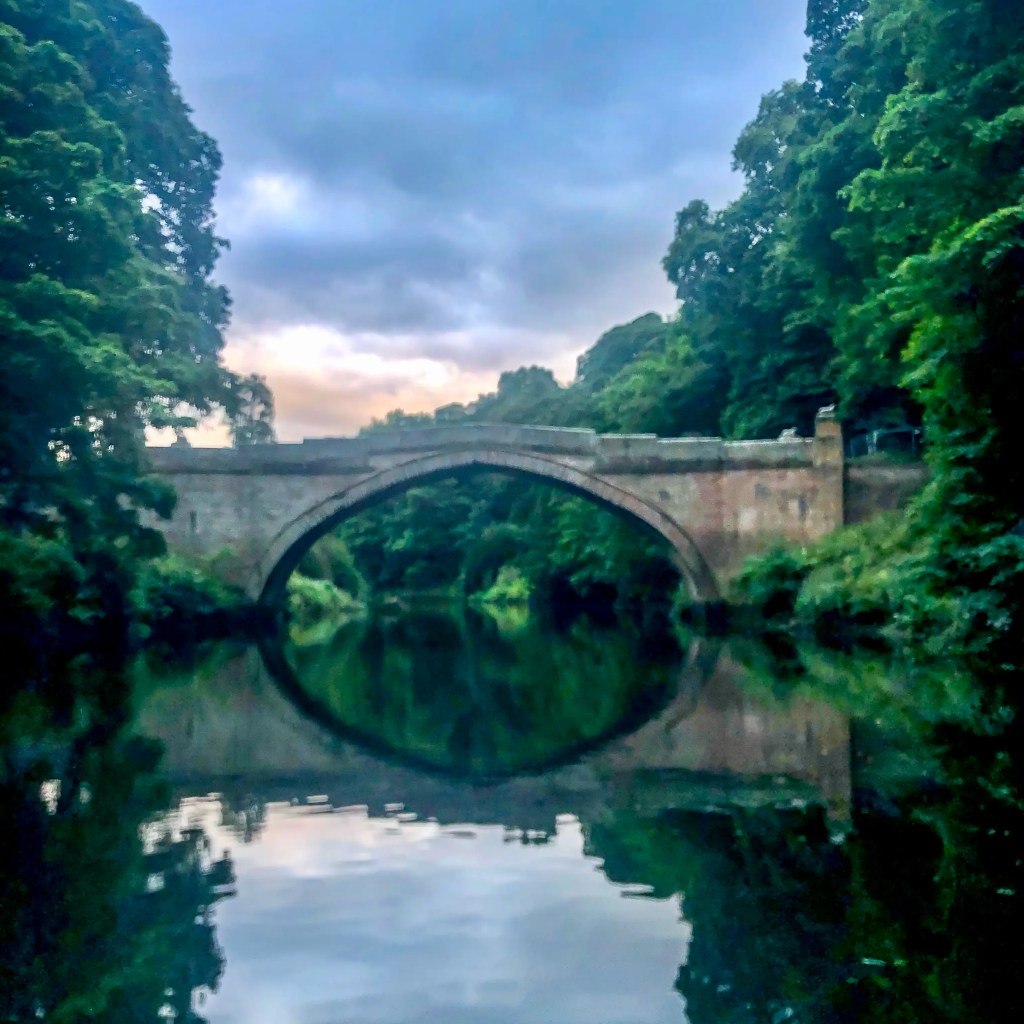
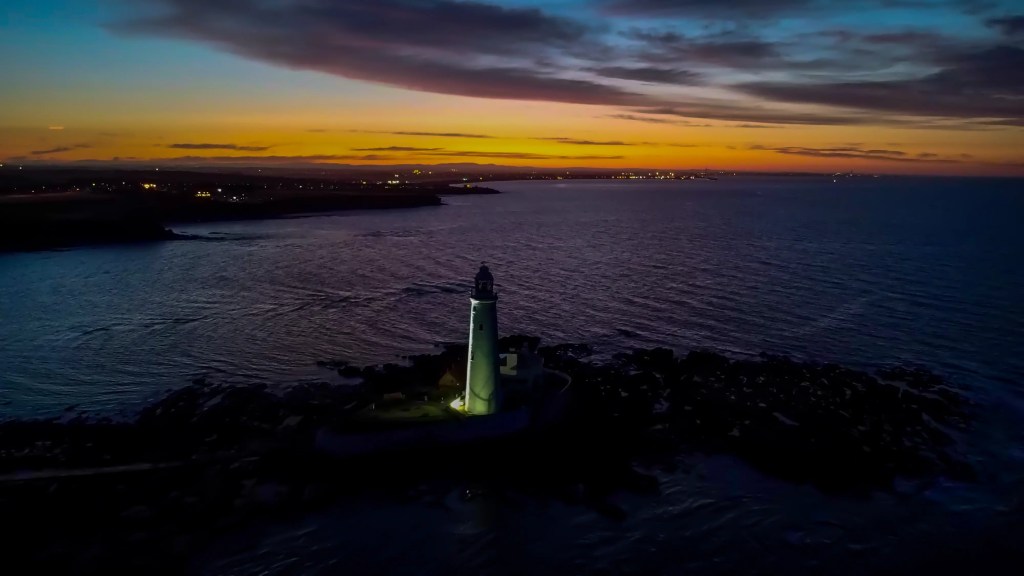
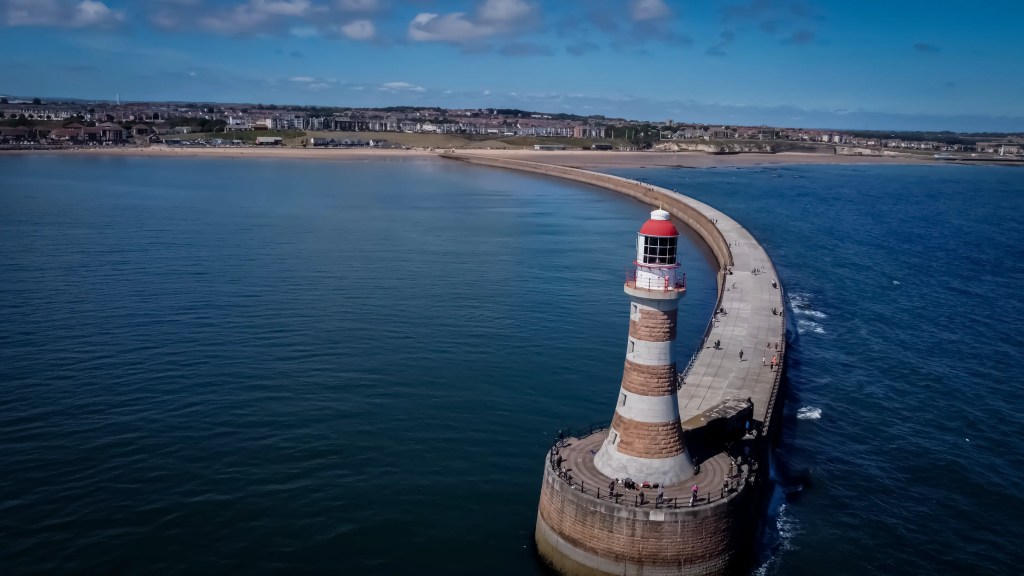
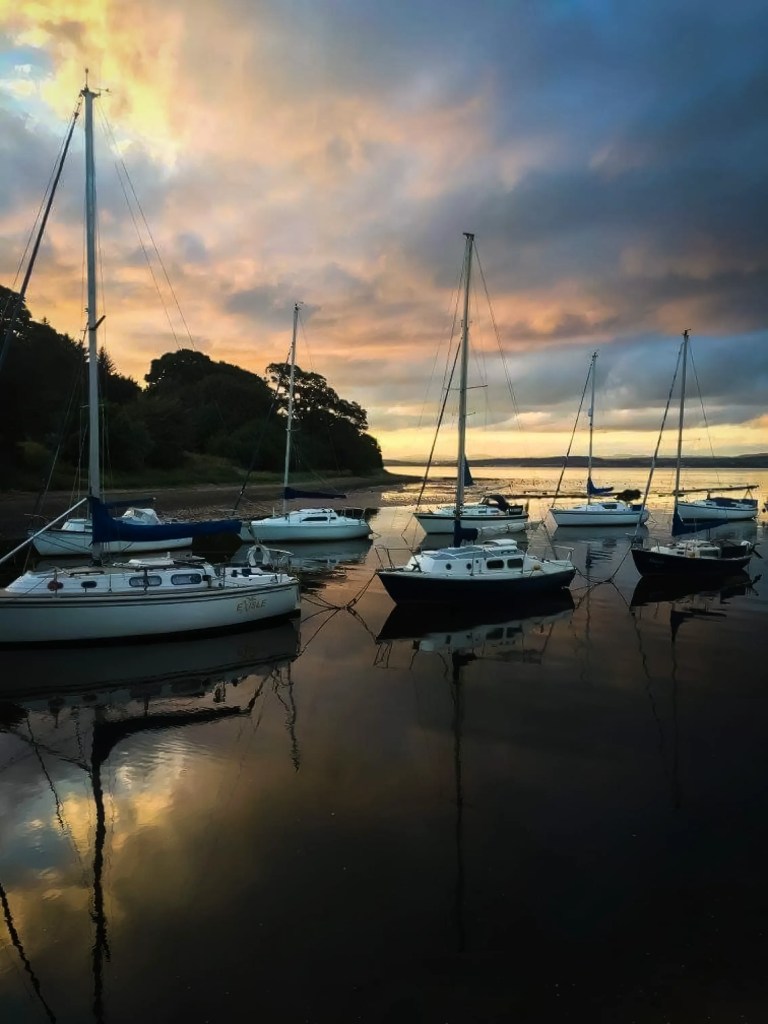
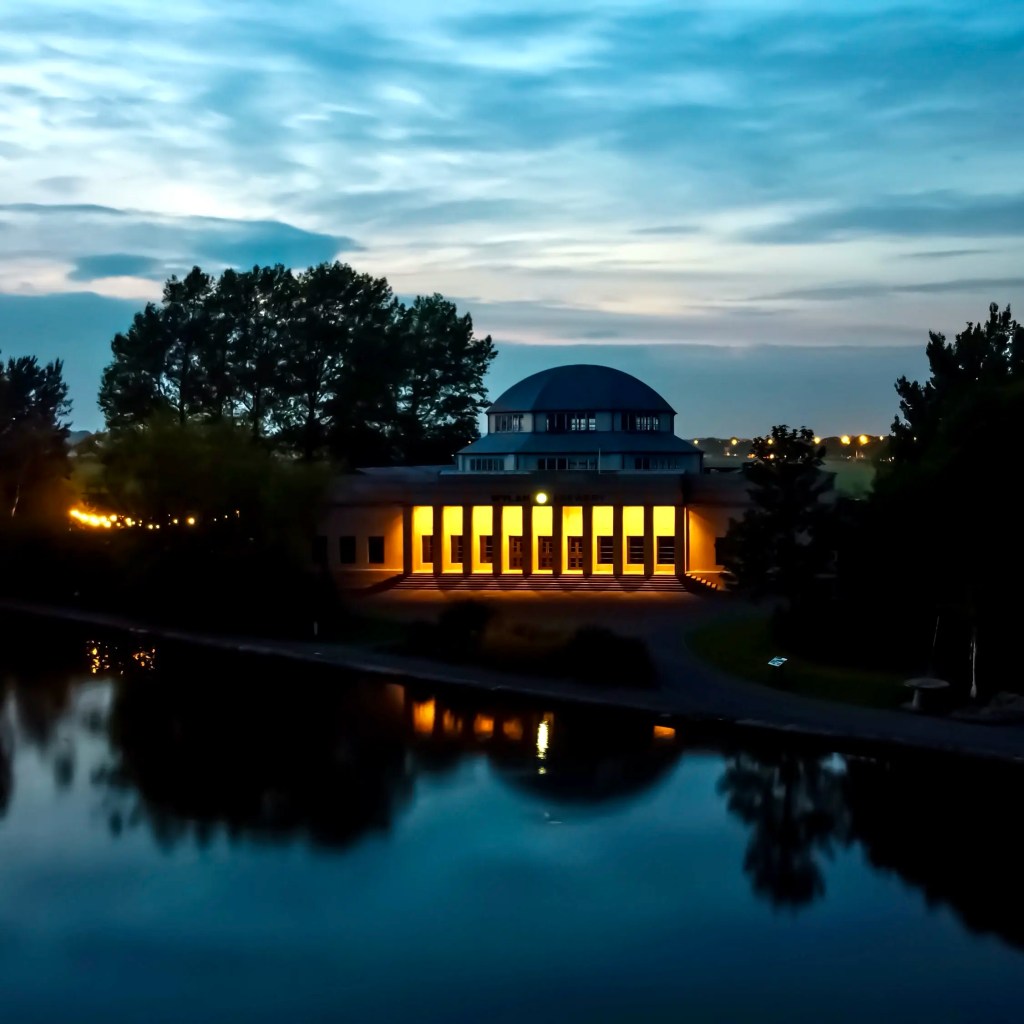
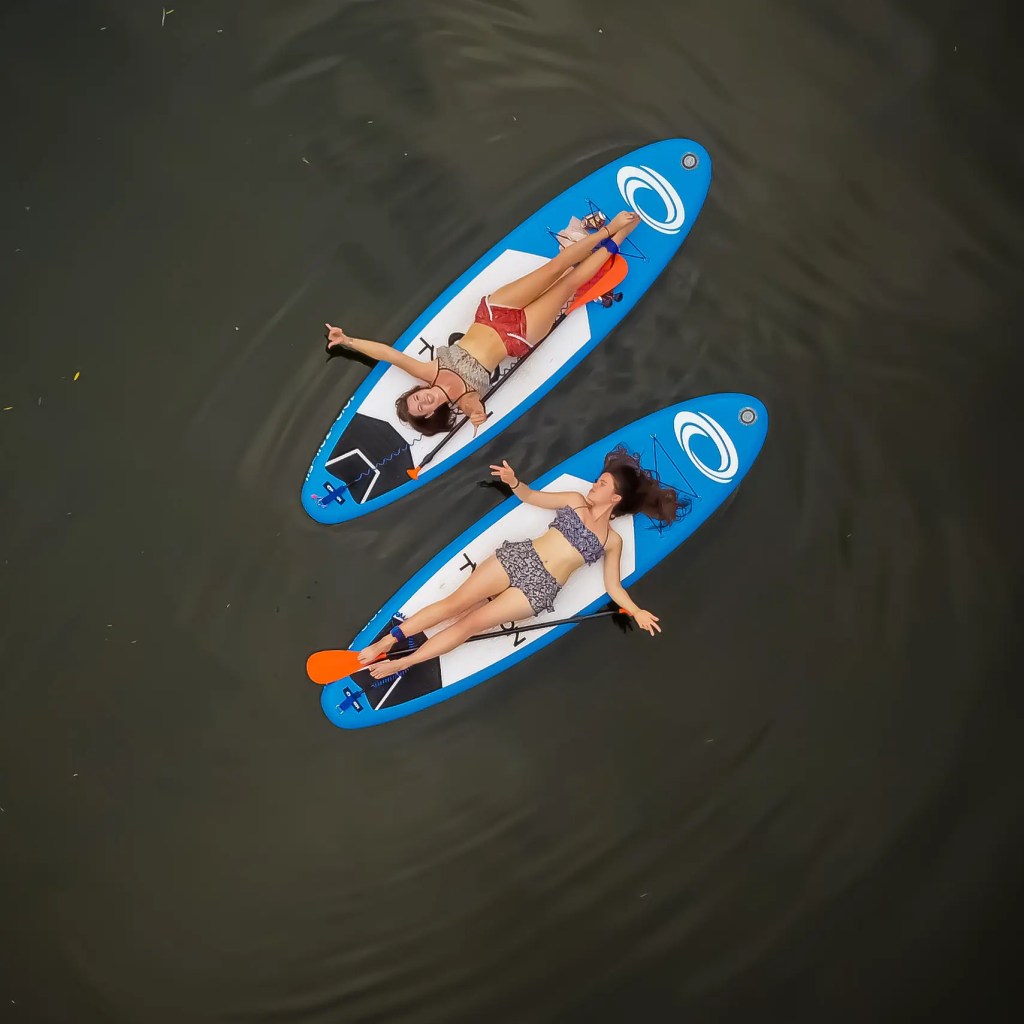
Most of my favourite frames were captured on the water environments where a heavy camera body and a tripod simply aren’t invited. Instead, I’ve relied on my drone or my phone tucked inside a waterproof case. These images, shot between 2016 and 2020, represent a perspective I wouldn’t have been able to achieve any other way.
Chasing the 3 AM Sunrise
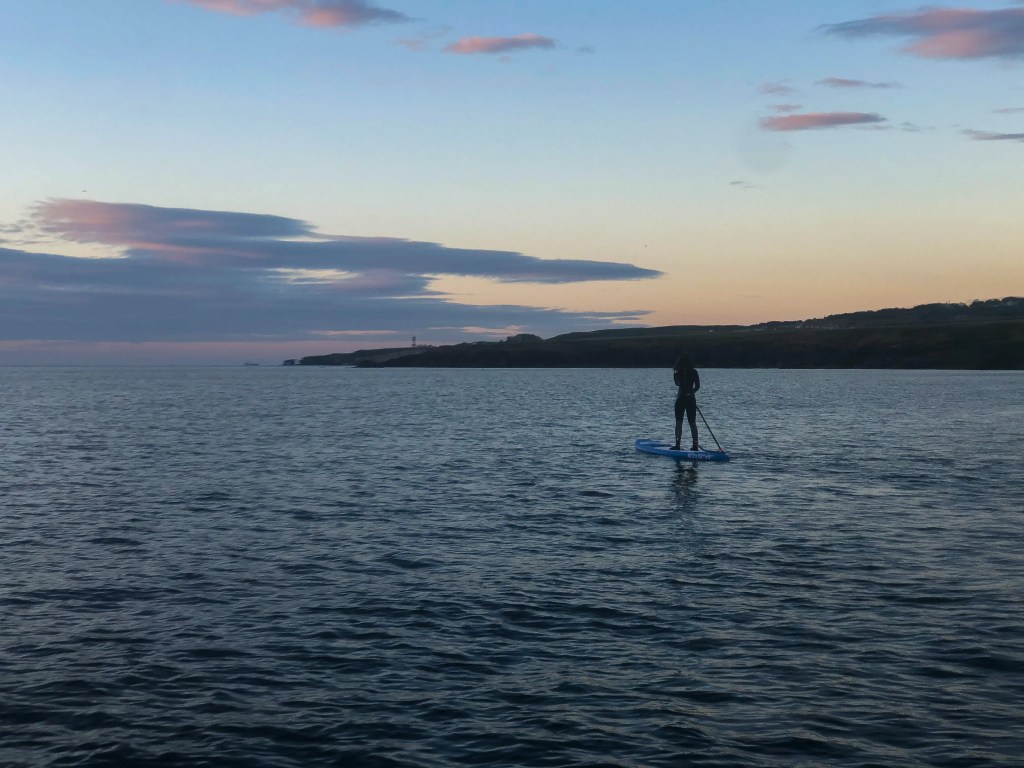
Getting these shots often meant more than just technical skill; it required dedication. There were many 3 AM alarms, creeping out of the house to meet friends on a “flat day” (when the water is like glass) just as the sun began to peek over the horizon.
Other times, the conditions were less than peaceful. I’ve found myself in the middle of a river with a storm raging behind me, the sky turning a bruised purple and gold. When you’re on a paddleboard, there is nowhere to hide. You just have to trust your gear, stay balanced, and capture the raw power of the sky before the rain hits.
The Long Paddle: Wylam to South Shields
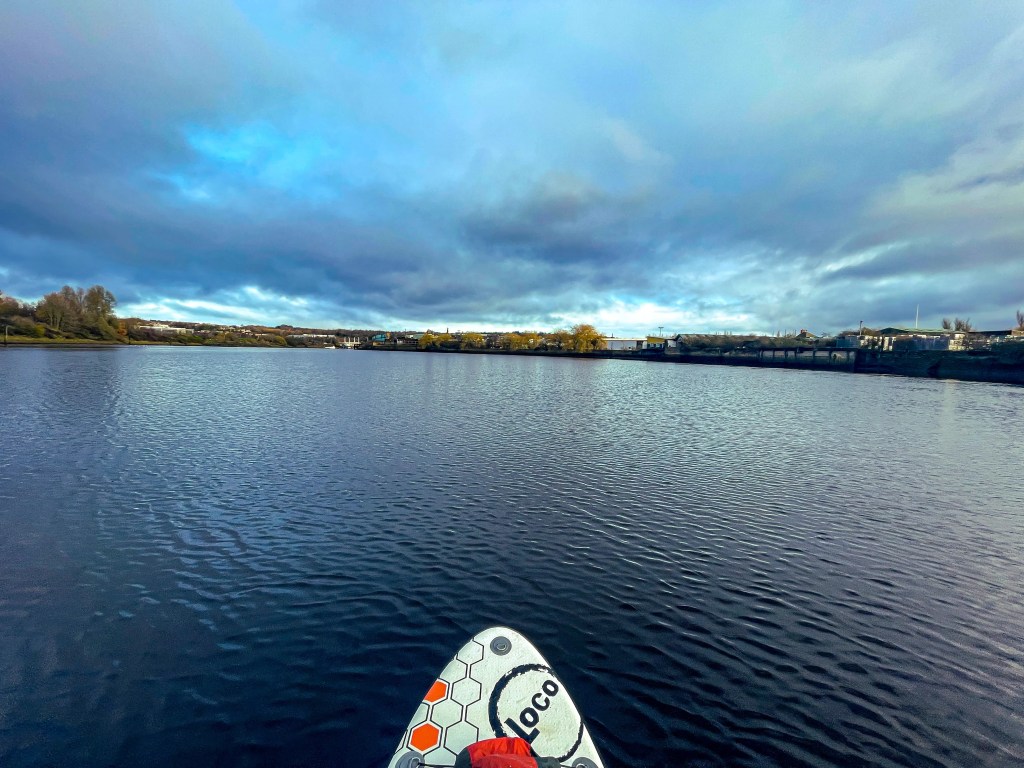
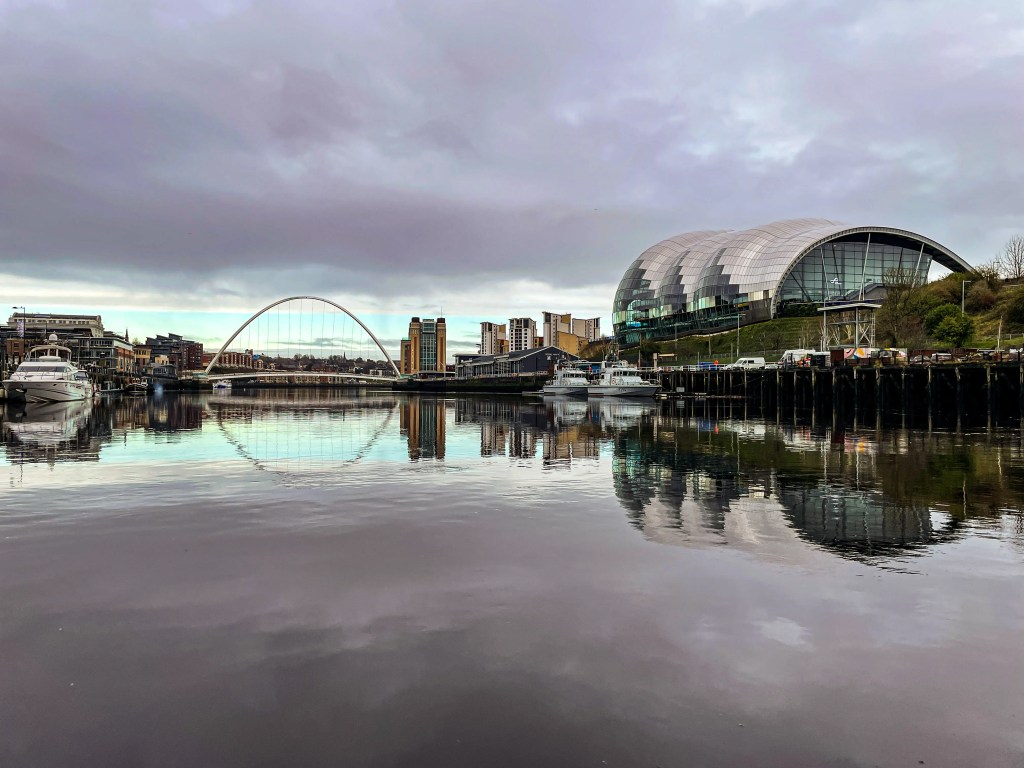
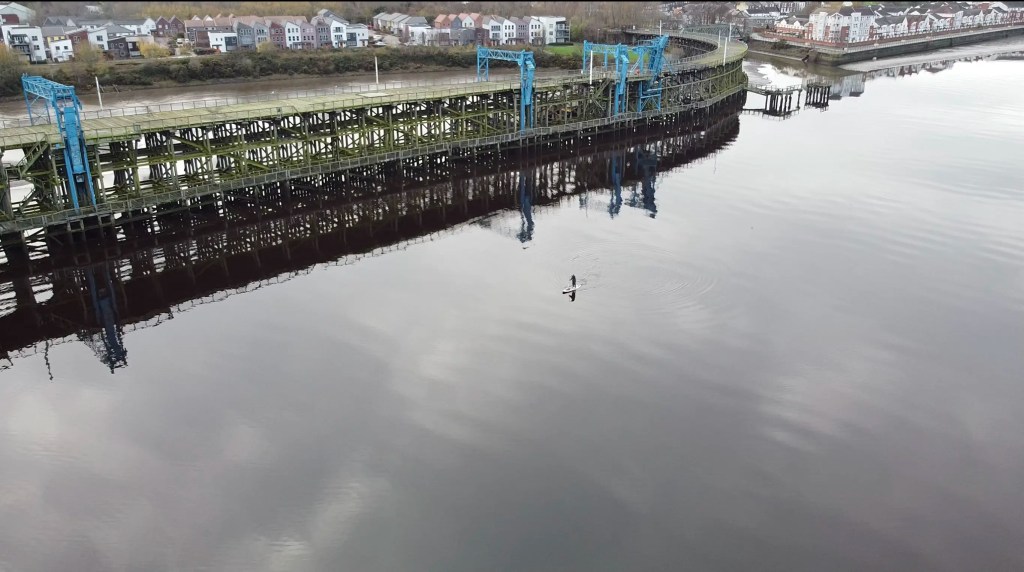
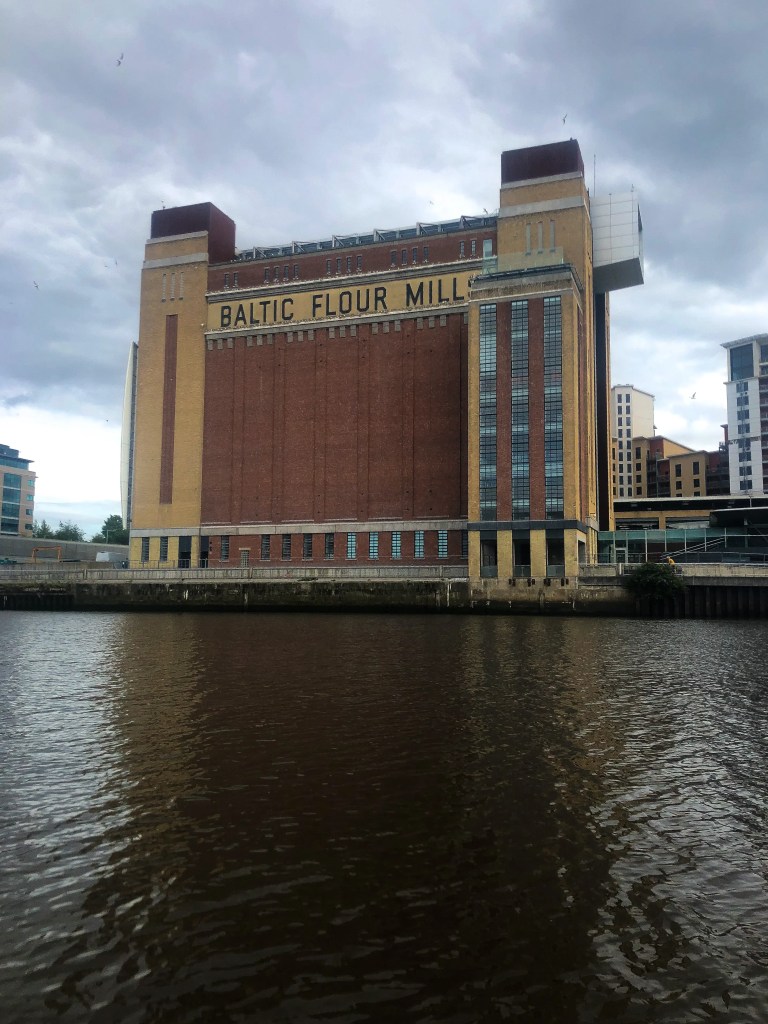
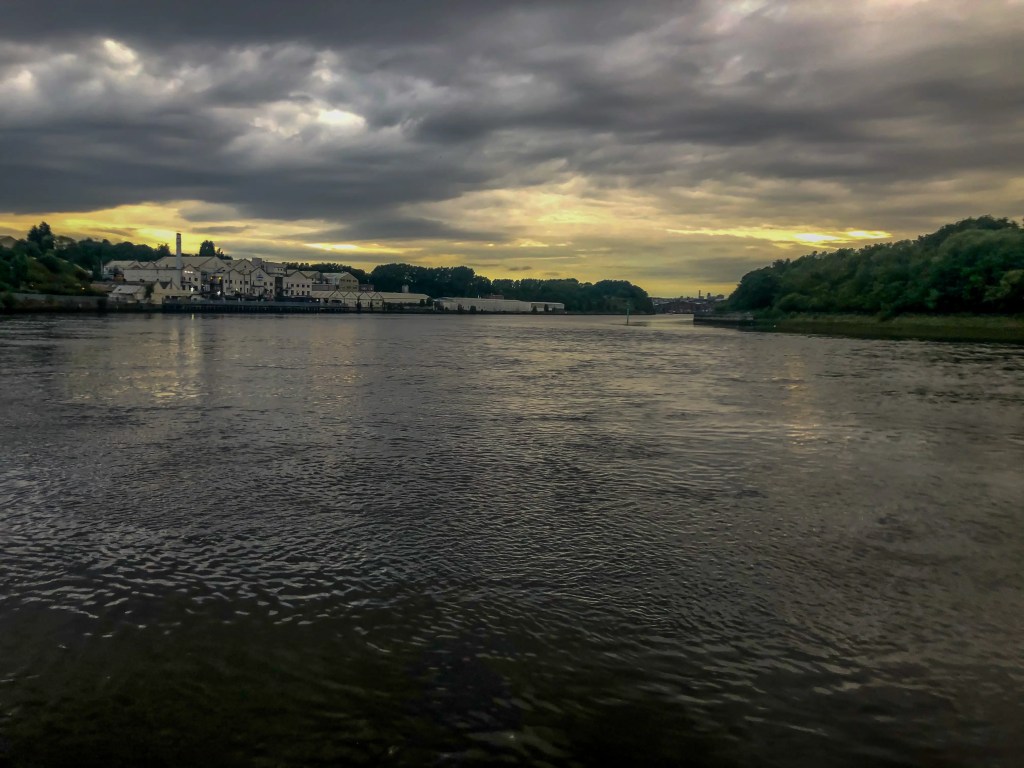
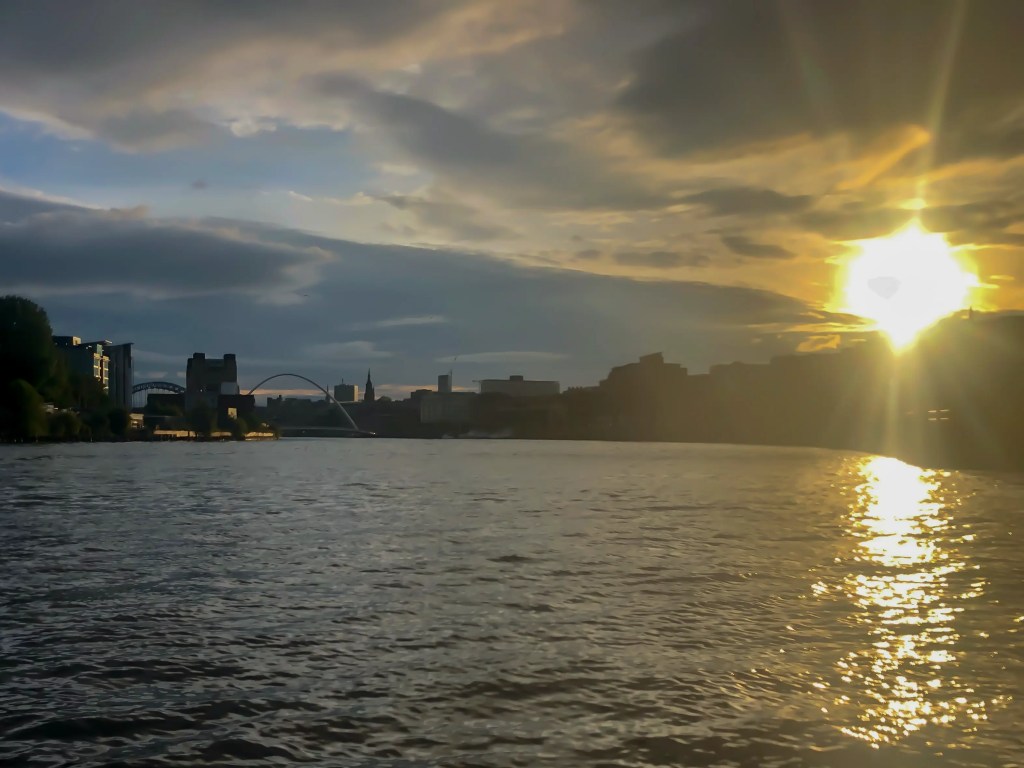
In 2020, I took on a personal challenge: paddling from Wylam to South Shields in a single journey without getting out of the water. It was an incredible way to see the industrial and natural history of the North East unfold.
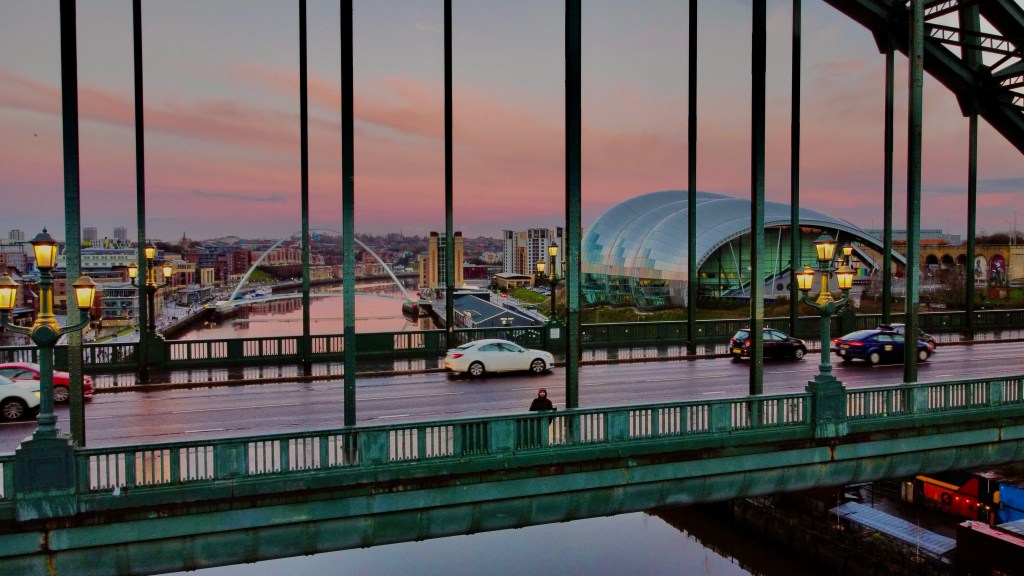
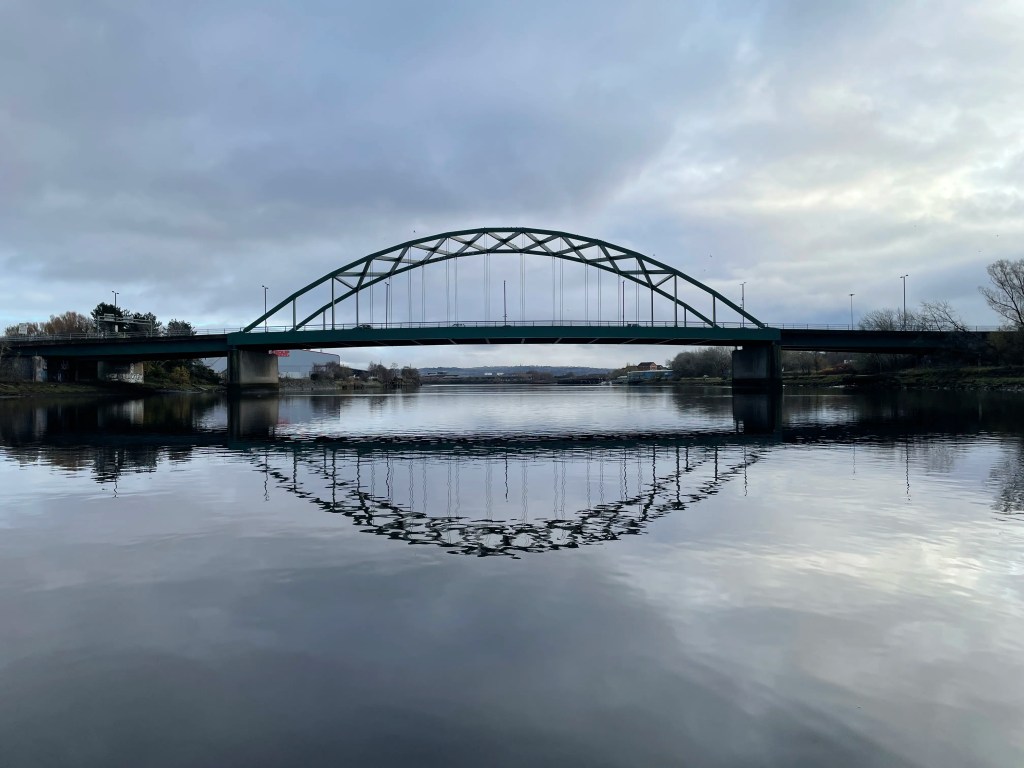
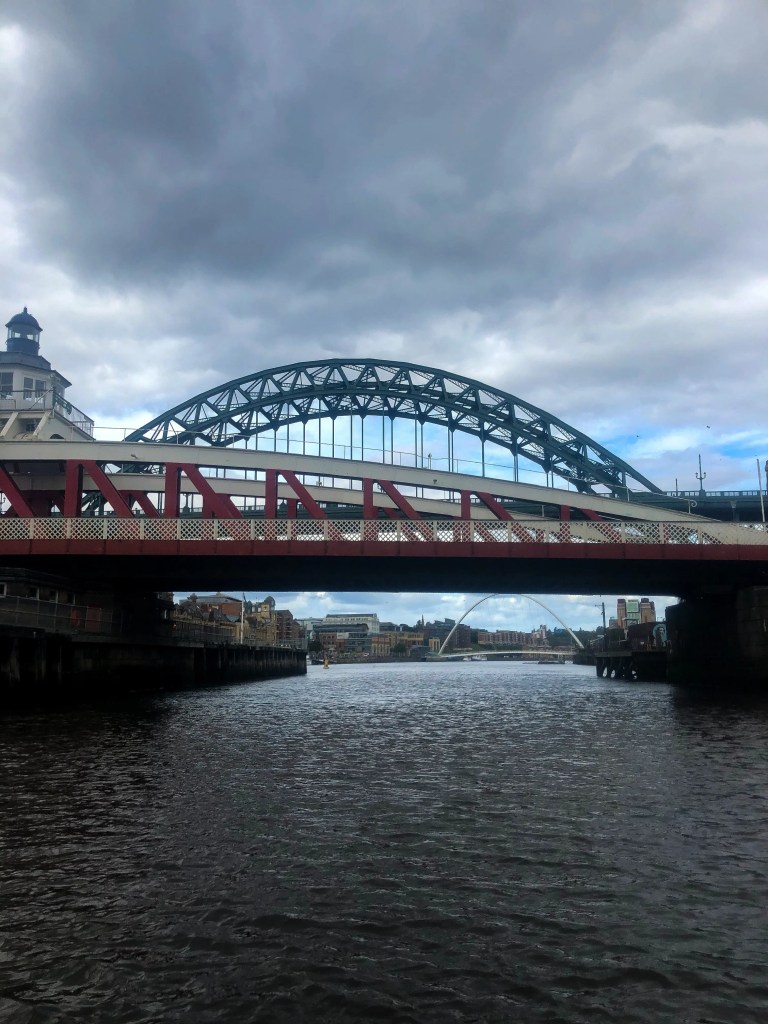
I documented the trip using my phone and drone, capturing the silent giants of the Tyne. One of the highlights was passing under the iconic bridges of the Quayside. It’s a bittersweet memory now; due to safety regulations, paddling east of the Tyne Bridge is no longer allowed. These photos have become a time capsule of a journey that you simply can’t recreate today.
What Makes a “Real” Photographer?
I recently heard someone say they weren’t a “real” photographer because they didn’t use a “real” camera. I couldn’t disagree more.
Photography isn’t about the price of your glass or the brand of your sensor; it’s about vision. It’s about being in the right place at the right time—even if that place is in the middle of a river at dawn—and having the eye to see a composition. I know several incredible photographers who only use a phone, and their work carries more emotion and story than someone with the most expensive kit in the world.
As long as you have a tool that can freeze a moment in time, you can be a photographer.
 The Bearded Skot
Leave a comment